Home  /  Composers  /  Herbert Stothart
Composer

Herbert Stothart

1885–1949

MGM's prestige composer and The Wizard of Oz

Herbert Stothart was the musical backbone of MGM during the studio's golden years. Born in Milwaukee, Wisconsin, in 1885, he studied music and taught at the University of Wisconsin before heading to New York, where producer Arthur Hammerstein hired him as a musical director. On Broadway he collaborated with Oscar Hammerstein II, Otto Harbach, Vincent Youmans and Rudolf Friml, and he co-wrote the music for the hit operetta Rose-Marie (1924).

When MGM began building its sound department, Stothart joined the studio, and he stayed for the rest of his career. He became the go-to composer for its prestige productions, especially the elegant literary dramas and historical spectacles the studio did best. His scores for Queen Christina and Anna Karenina framed Greta Garbo's legendary performances, while The Good Earth and Marie Antoinette showed his gift for sweeping, romantic orchestration on a grand scale. He also adapted the Jeanette MacDonald and Nelson Eddy operettas that were among MGM's biggest hits.

Stothart's most famous achievement is The Wizard of Oz (1939). While Harold Arlen and E. Y. Harburg wrote the songs, Stothart composed the underscore that weaves their melodies through the film, from Kansas to the Emerald City, and it won him the Academy Award for Best Original Score. He received many other nominations over his career.

Stothart was also a respected conductor and concert composer. He died in Los Angeles in 1949.

THE ART

Music by Herbert Stothart

Art celebrating his film scores. Click any piece to view it larger.

THE FILMS

The Story and the Score

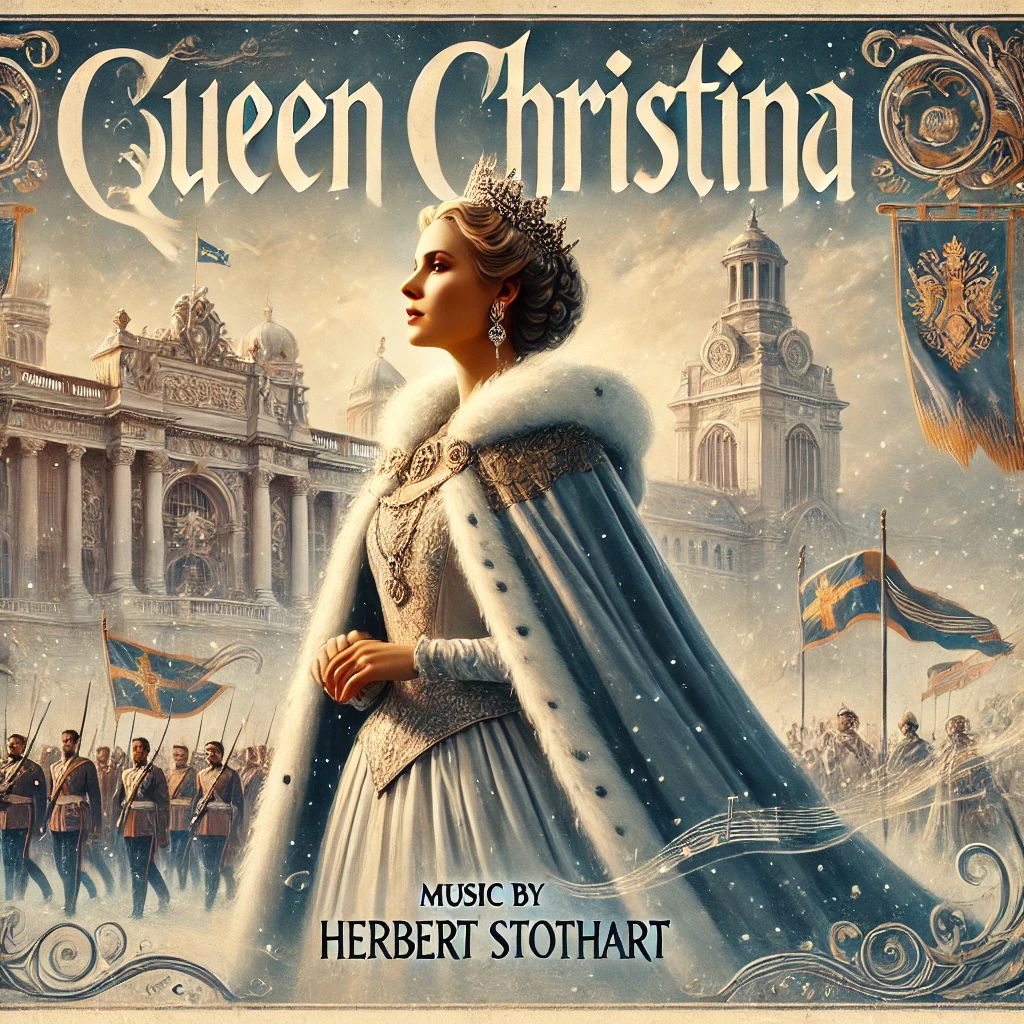
Queen Christina poster art

Queen Christina (1933)

The Story

Queen Christina of Sweden, a monarch since childhood and pressed to marry for political reasons, falls in love with a Spanish envoy she meets while traveling disguised as a man. Torn between love and duty, she must choose between her throne and her heart. Greta Garbo stars in Rouben Mamoulian's elegant historical drama.

The Music

Stothart's score supports Garbo's legendary performance, with stately music for the court and tender themes for the romance. In the famous final shot, as Christina stands at the ship's prow gazing into the distance, the music lets audiences project their own feelings onto her still face, creating an unforgettable ending.
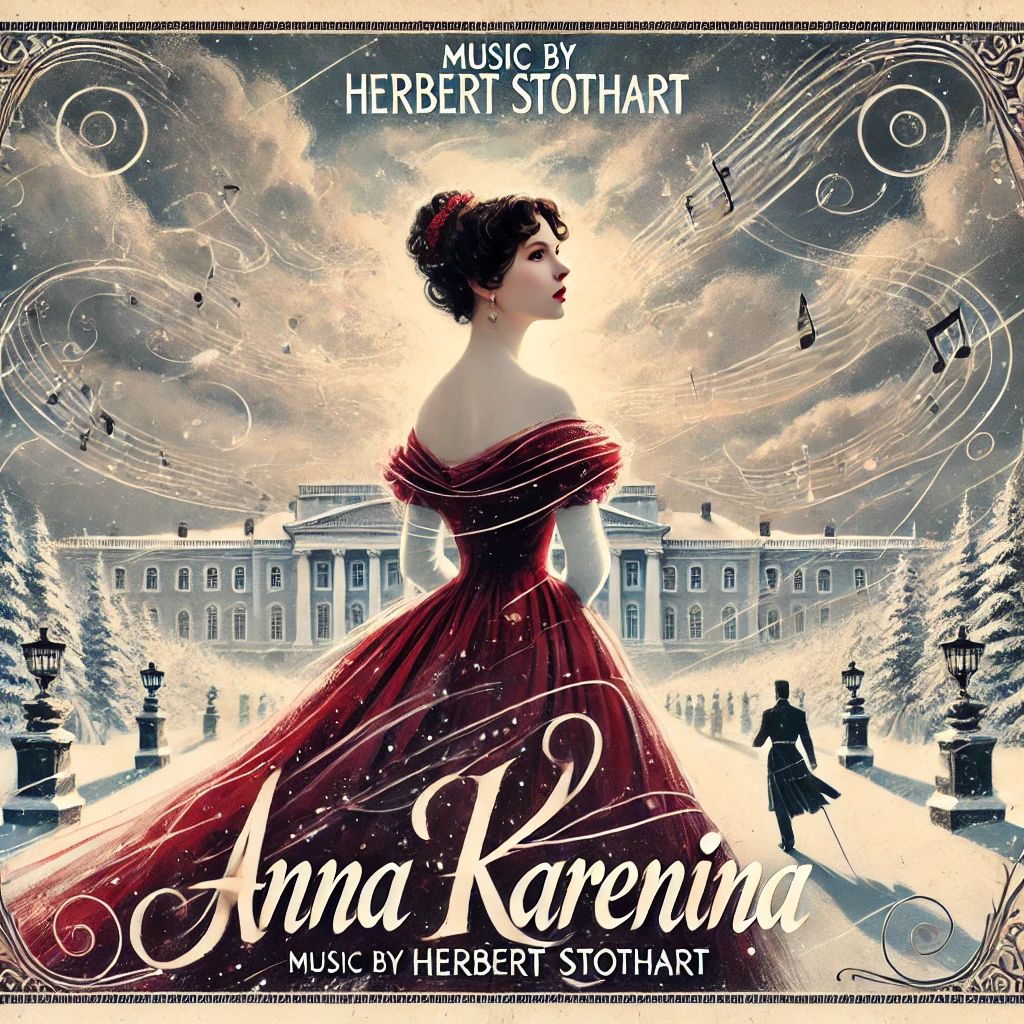
Anna Karenina poster art

Anna Karenina (1935)

The Story

In imperial Russia, Anna Karenina, the wife of a cold government official, falls passionately in love with the dashing cavalry officer Count Vronsky. Her affair defies society and costs her her beloved son, leading toward tragedy. Greta Garbo and Fredric March star in MGM's lavish adaptation of Leo Tolstoy's great novel.

The Music

Stothart's score evokes imperial Russia with glittering ballroom music, military marches and Russian melodies. Romantic themes for Anna and Vronsky deepen their passion, while darker music foreshadows tragedy. The score's grandeur suits MGM's lavish production and lends emotional power to Garbo's portrait of a woman destroyed by love.

The Good Earth poster art

The Good Earth (1937)

The Story

In rural China, the poor farmer Wang Lung marries O-Lan, a former kitchen slave, and together they work the land through drought, famine and revolution. Wealth eventually threatens their marriage and their values. Paul Muni and Luise Rainer, who won an Academy Award, star in this adaptation of Pearl S. Buck's novel.

The Music

Stothart drew on Chinese melodies and colors within a sweeping orchestral canvas suited to MGM's epic production. The music honors O-Lan's quiet strength and her bond with the land, and it heightens the spectacular locust plague sequence. The score gives the story's cycle of seasons and generations an epic sweep and dignity.

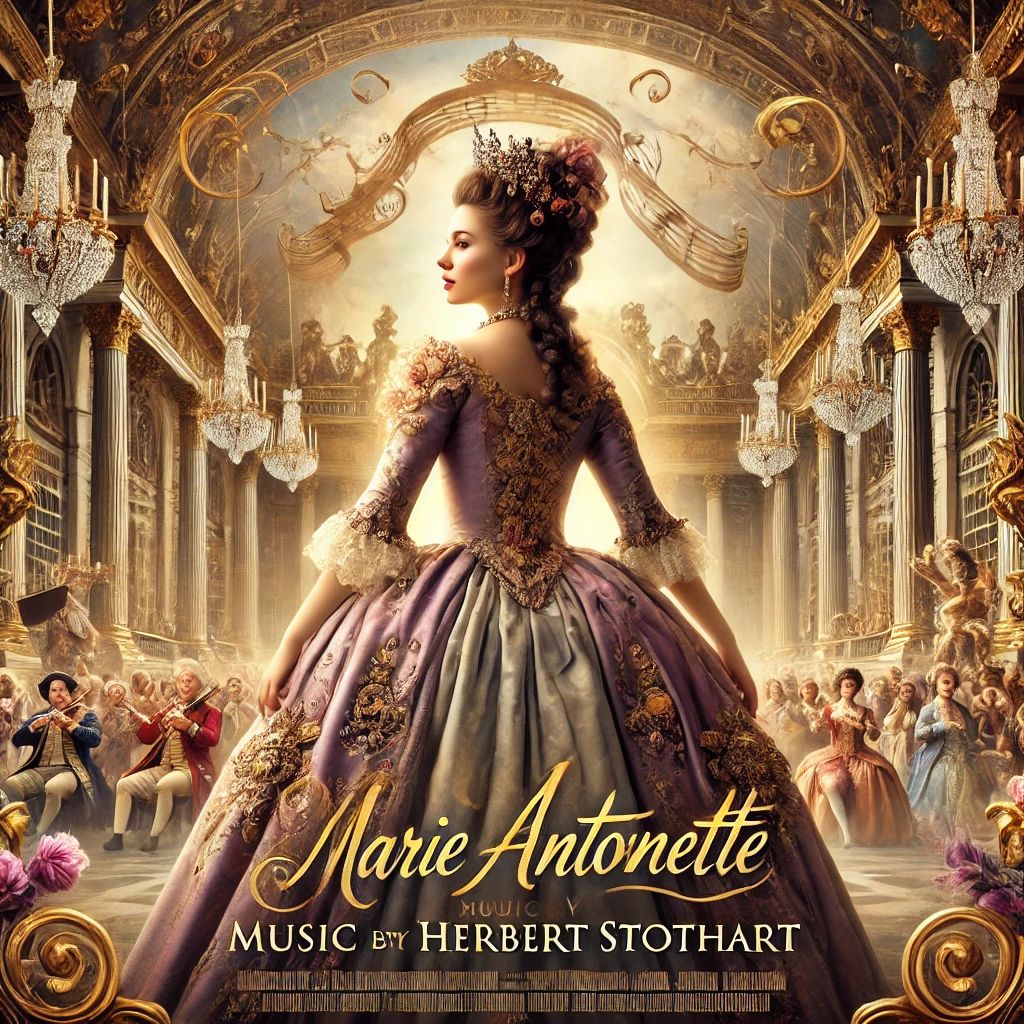
Marie Antoinette poster art

Marie Antoinette (1938)

The Story

Austrian archduchess Marie Antoinette marries the future Louis XVI and becomes queen of France. At first frivolous and extravagant, she is shaken by court scandal and the coming Revolution, and she faces her end with dignity. Norma Shearer and Tyrone Power star in MGM's opulent historical epic, one of the studio's most expensive productions.

The Music

Stothart's Oscar-nominated score evokes the splendor of Versailles with minuets, gavottes and courtly dances, while darker passages capture the revolution's growing menace. The music heightens the film's spectacle and its tragic arc, moving from glittering court life to the queen's final, dignified journey to the guillotine.

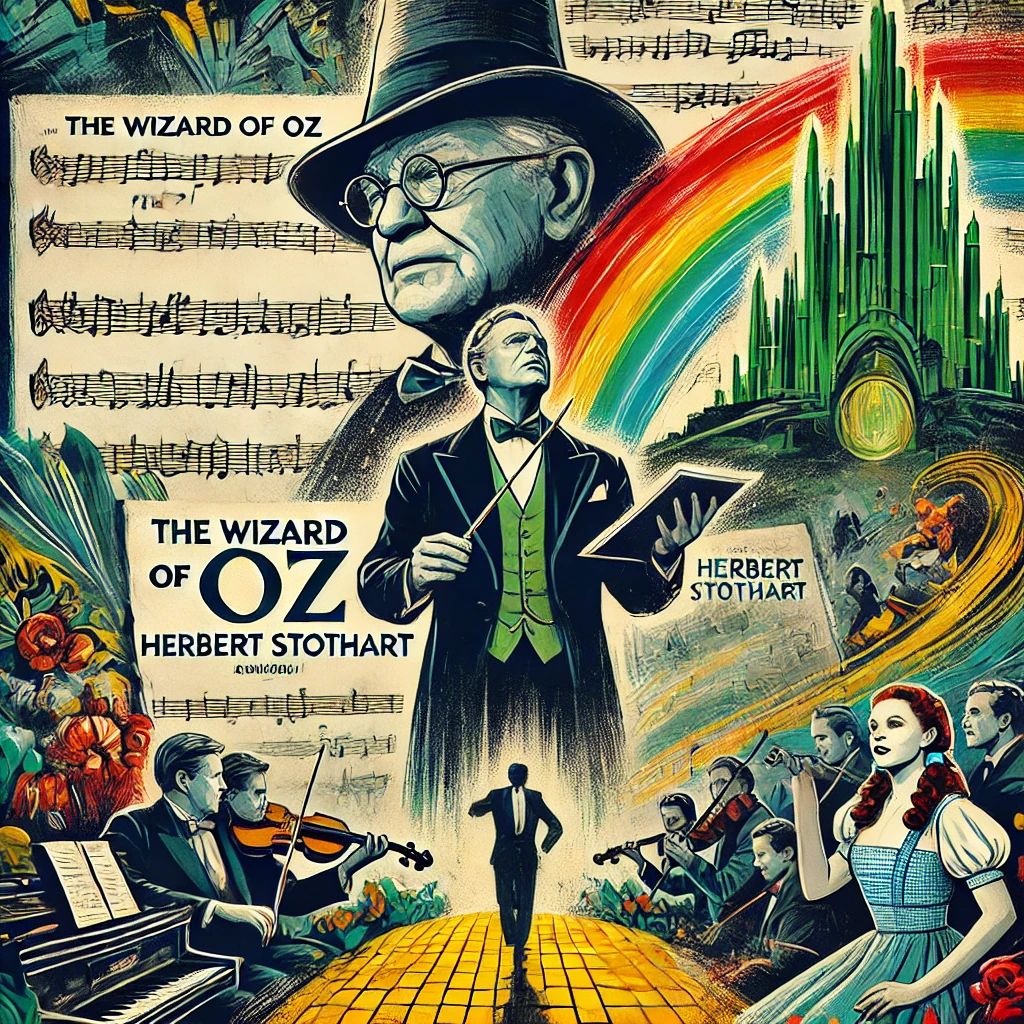
The Wizard of Oz poster art

The Wizard of Oz (1939)

Score by Herbert Stothart; songs by Harold Arlen and E. Y. Harburg

The Story

Swept away by a tornado from her Kansas farm, Dorothy Gale lands in the magical land of Oz. With a Scarecrow, a Tin Man and a Cowardly Lion, she follows the yellow brick road to ask the Wizard to send her home, while the Wicked Witch of the West pursues her. Judy Garland stars.

The Music

Stothart won the Oscar for the score that ties the film together. He wove Harold Arlen's melodies, above all "Over the Rainbow," through the underscore, added classical quotations, and gave Miss Gulch and the Witch their menacing theme. His music guides audiences seamlessly between Kansas and Oz, adding magic and emotional continuity.