Home  /  Composers  /  Alfred Newman
Composer

Alfred Newman

1900–1970

Nine Oscars and the 20th Century-Fox fanfare

Few people shaped the sound of Hollywood's Golden Age as thoroughly as Alfred Newman. Born in New Haven, Connecticut, in 1900, the eldest of ten children, he was a gifted young pianist who helped support his family by performing in vaudeville. By his early twenties he was one of Broadway's busiest conductors, leading revues and musical comedies.

Newman came to Hollywood in 1930 to work on an Irving Berlin musical and soon became music director for Samuel Goldwyn, scoring Wuthering Heights and The Hurricane, as well as The Prisoner of Zenda, Gunga Din and The Hunchback of Notre Dame for other studios. In 1940 he took charge of the music department at 20th Century-Fox, a post he held for two decades. There he composed the famous fanfare that still opens Fox films and built one of the finest studio orchestras in the world, known for its rich, singing strings.

Newman's scores range from the spiritual radiance of The Song of Bernadette and The Robe to the warmth of How Green Was My Valley and the drama of The Diary of Anne Frank and Anastasia. He was equally at home supervising musicals such as Tin Pan Alley and With a Song in My Heart. With nine Academy Awards and more than forty nominations, he remains one of the most honored composers in Oscar history.

He also founded a remarkable musical dynasty. His brothers Lionel and Emil worked in film music, his sons David and Thomas became leading film composers, and his nephew is songwriter Randy Newman. Alfred Newman died in 1970.

THE ART

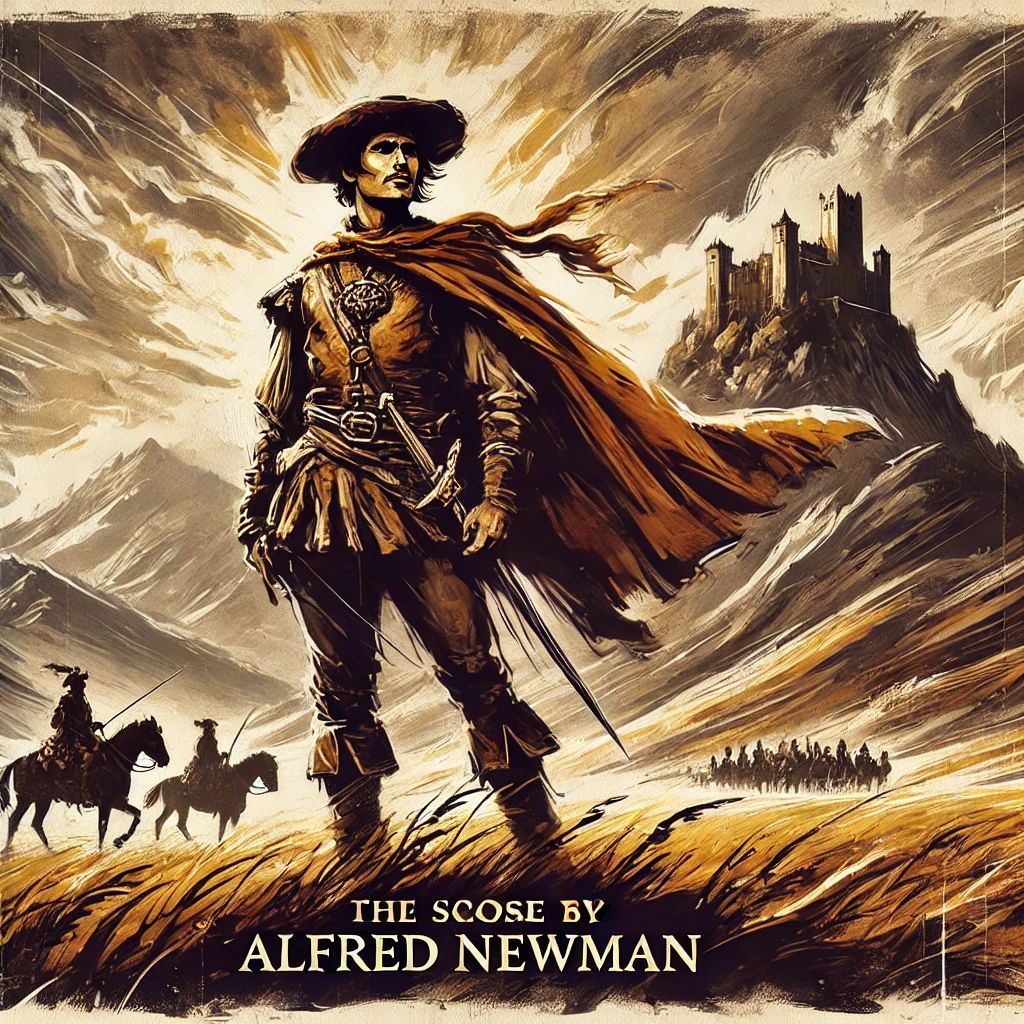
Music by Alfred Newman

Art celebrating his film scores. Click any piece to view it larger.

THE FILMS

The Story and the Score

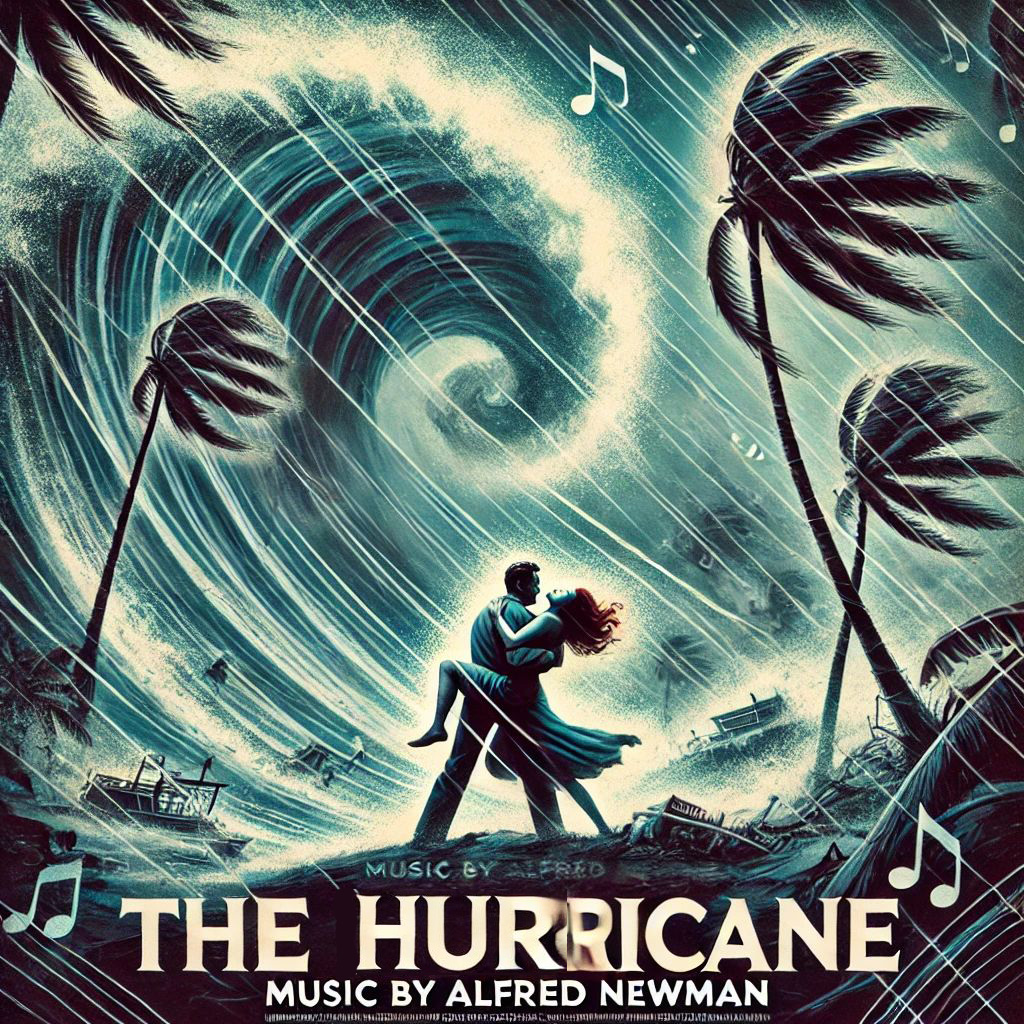
The Hurricane poster art

The Hurricane (1937)

The Story

On a South Seas island under French colonial rule, a Polynesian sailor, Terangi, is jailed for striking a white man and sentenced to months in prison. After repeated escape attempts lengthen his sentence, he finally returns home just as a massive hurricane threatens to destroy the island. John Ford directed, with Jon Hall and Dorothy Lamour.

The Music

Newman's score evokes the island's beauty with lilting Polynesian-flavored melodies, including "The Moon of Manakoora," sung by Dorothy Lamour. When the hurricane arrives, the music grows into a ferocious storm sequence that matches the spectacular special effects, turning paradise into terror and making the climax overwhelming.
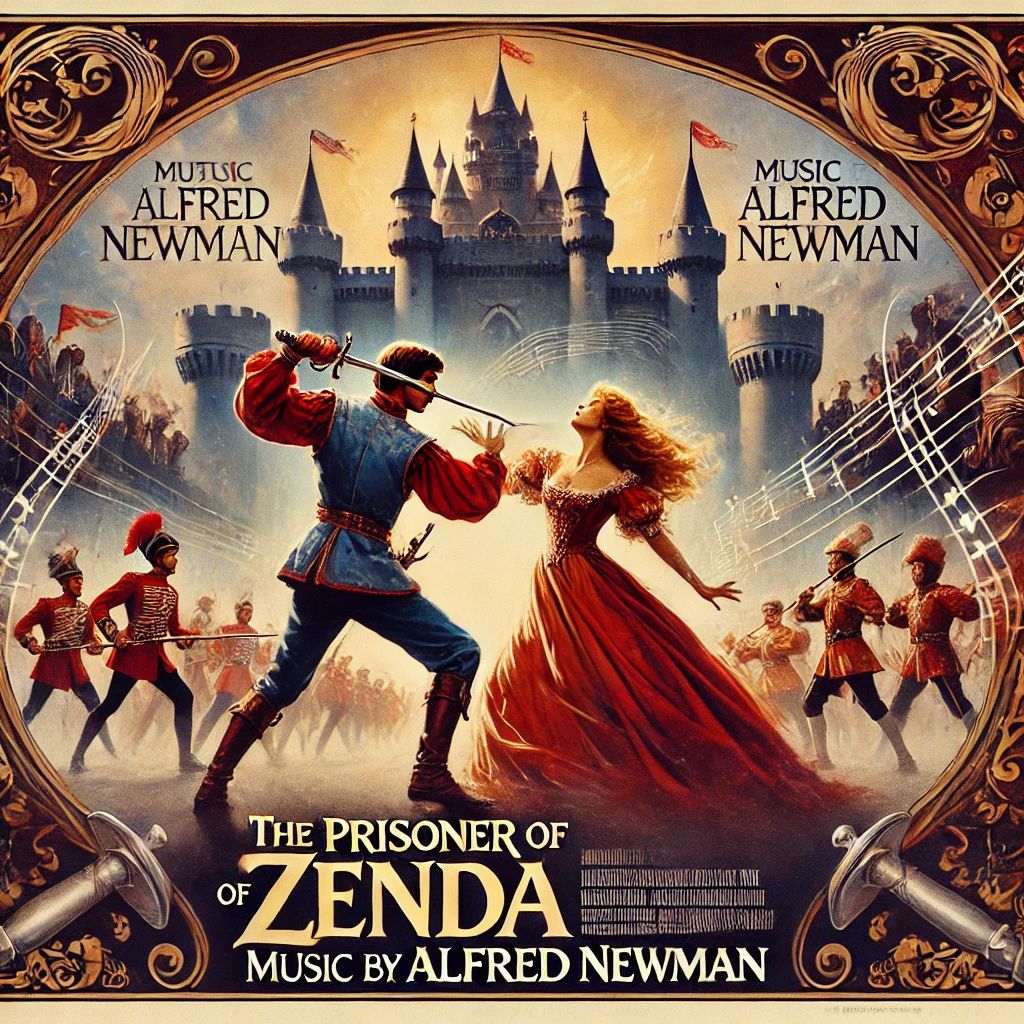
The Prisoner of Zenda poster art

The Prisoner of Zenda (1937)

The Story

An English gentleman vacationing in the small kingdom of Ruritania discovers he is the exact double of the king. When the king is drugged and kidnapped on the eve of his coronation, the Englishman reluctantly takes his place, falls in love with Princess Flavia and must rescue the real ruler. Ronald Colman stars.

The Music

Newman's Oscar-nominated score gives Ruritania a regal Central European flavor, with coronation marches, waltzes and a tender love theme for Rudolf and Flavia. Its royal pageantry heightens the fairy-tale atmosphere, while its romantic passages make the hero's final sacrifice of love for duty all the more affecting.

Gunga Din poster art

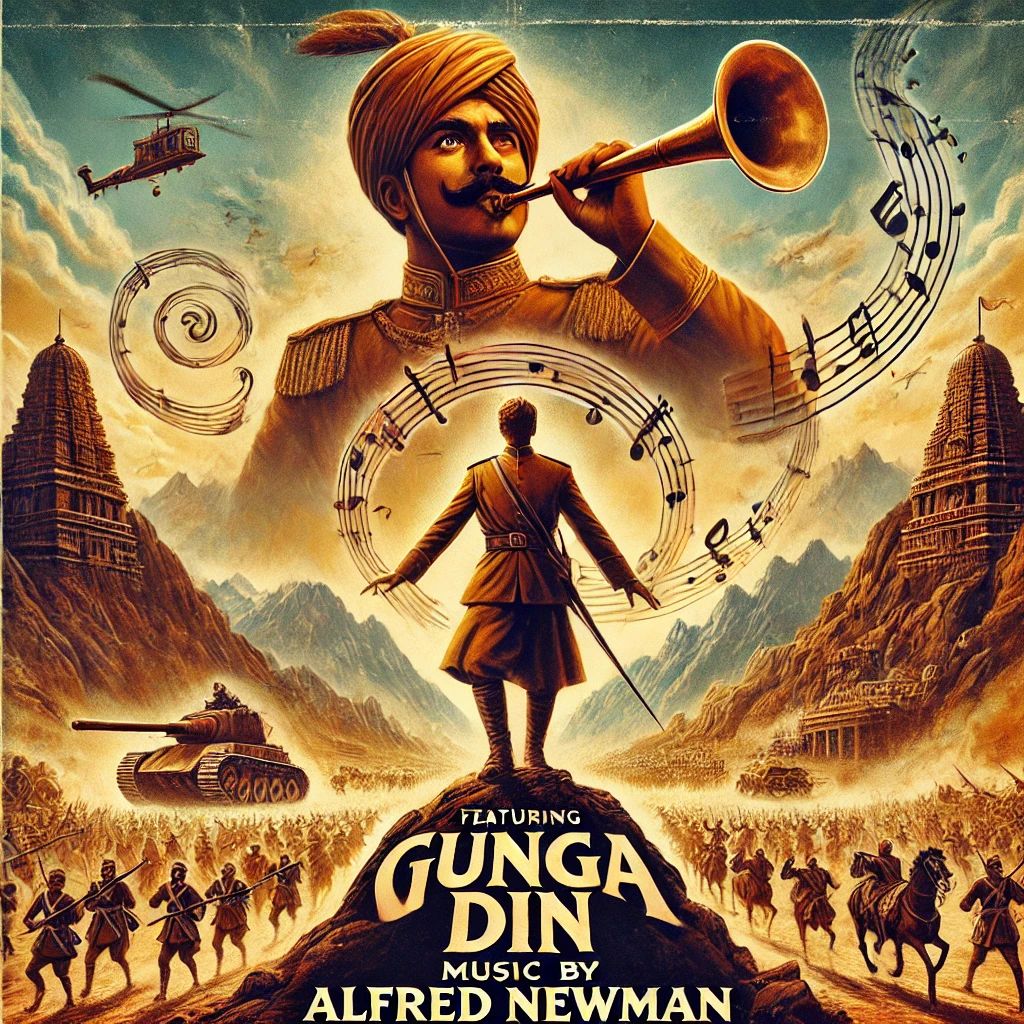
Gunga Din (1939)

The Story

Three rowdy British army sergeants in 19th-century India battle a murderous Thuggee cult, helped by Gunga Din, a humble water carrier who dreams of becoming a soldier. Cary Grant, Victor McLaglen and Douglas Fairbanks Jr. star in George Stevens's rousing comic adventure, inspired by Rudyard Kipling's famous poem.

The Music

Newman's score blends British military marches with Indian color, matching the film's mix of comedy and adventure. Brass and drums drive the battle scenes, while mysterious, chanting music sets the eerie temple sequences. In the climax, as Gunga Din's bugle call saves the regiment, the music swells into a moving tribute.

The Hunchback of Notre Dame poster art

The Hunchback of Notre Dame (1939)

The Story

In 15th-century Paris, Quasimodo, the deformed bell ringer of Notre Dame, falls in love with the Gypsy dancer Esmeralda after she shows him kindness. When she is falsely accused of murder and condemned, he rescues her and claims sanctuary in the cathedral. Charles Laughton and Maureen O'Hara star in this grand spectacle.

The Music

Newman's Oscar-nominated score evokes medieval Paris with church bells, chant and festive dances for the Feast of Fools. Its tender music for Quasimodo's devotion to Esmeralda reveals the gentle soul beneath his appearance, while thundering, bell-driven passages make his defense of the cathedral a spectacular climax.

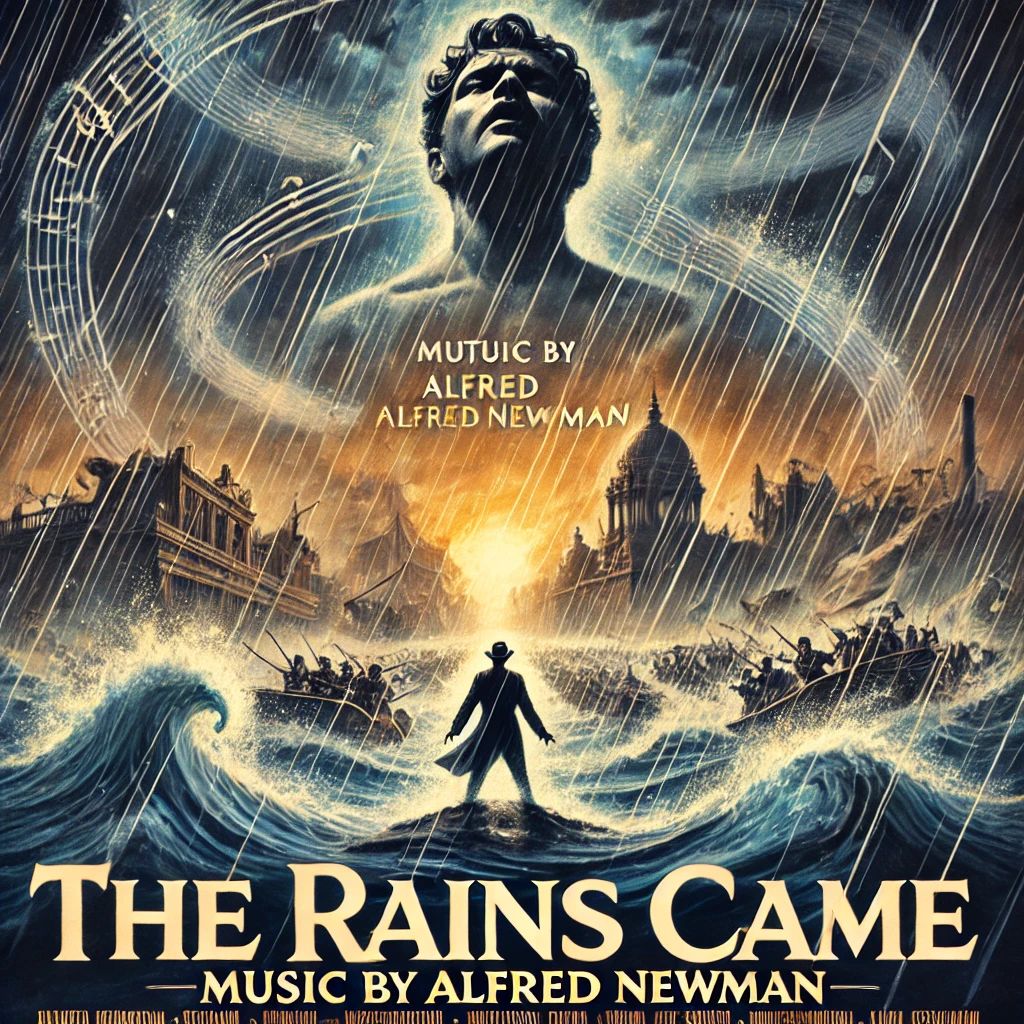
The Rains Came poster art

The Rains Came (1939)

The Story

In the fictional Indian kingdom of Ranchipur, a dissolute English aristocrat finds new purpose through his friendship with a dedicated Indian doctor and an old flame, now a married socialite. When an earthquake and a devastating flood strike, all are tested by disaster and epidemic. Myrna Loy, Tyrone Power and George Brent star.

The Music

Newman's Oscar-nominated score combines Indian color with Hollywood romance, building atmosphere for the exotic setting. The spectacular earthquake and flood, which won the Academy's first award for special effects, are heightened by surging dramatic music, while gentler themes underline the love story and the characters' redemption.

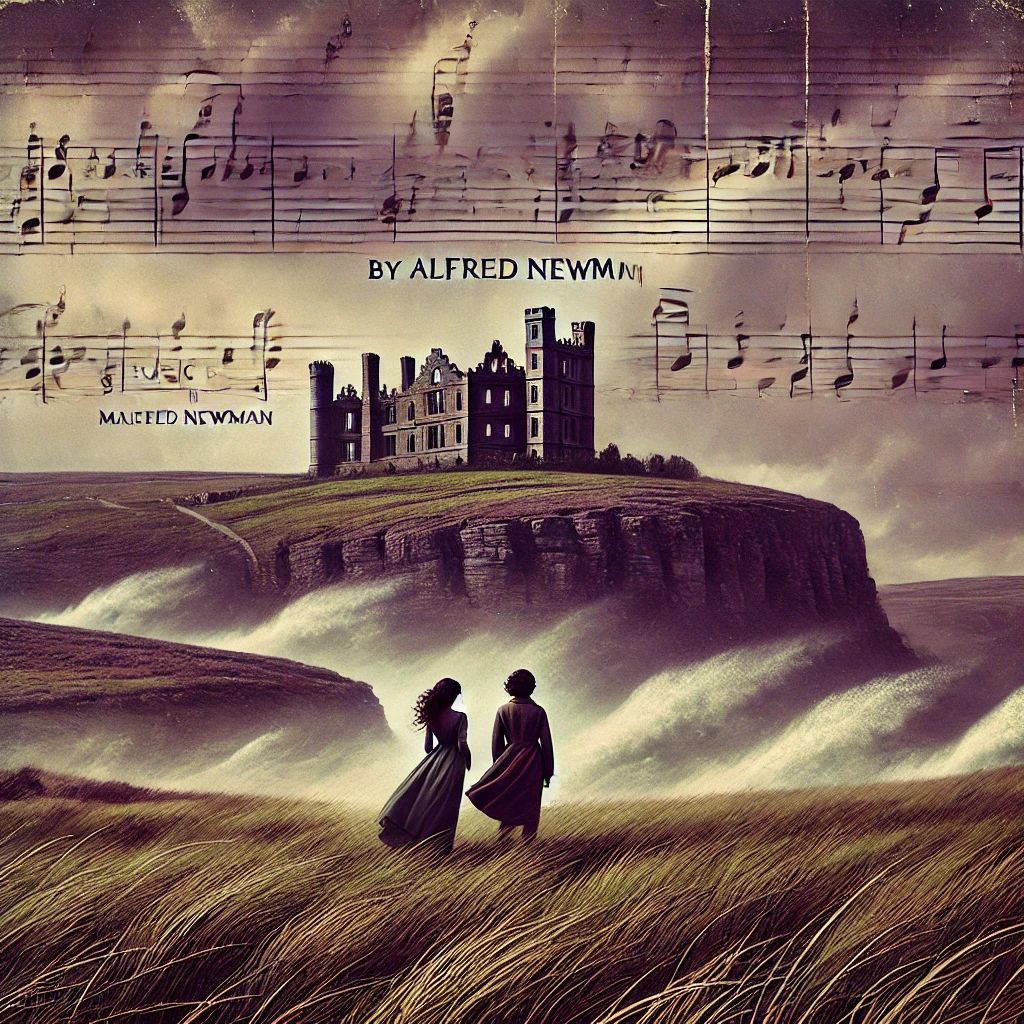
Wuthering Heights poster art

Wuthering Heights (1939)

The Story

On the wild Yorkshire moors, the orphan Heathcliff grows up alongside Cathy Earnshaw, and the two fall passionately in love. When Cathy marries a wealthy neighbor instead, Heathcliff's bitterness turns to a vengeance that consumes them all. Laurence Olivier and Merle Oberon star in William Wyler's adaptation of Emily Brontë's novel.

The Music

Newman's Oscar-nominated score is among his most romantic. Its yearning theme for Cathy, tied to the moors and the lovers' rocky hideaway, Peniston Crag, returns throughout. The music gives their passion a haunting, almost supernatural quality, culminating in the ghostly final scene in which the lovers are reunited.

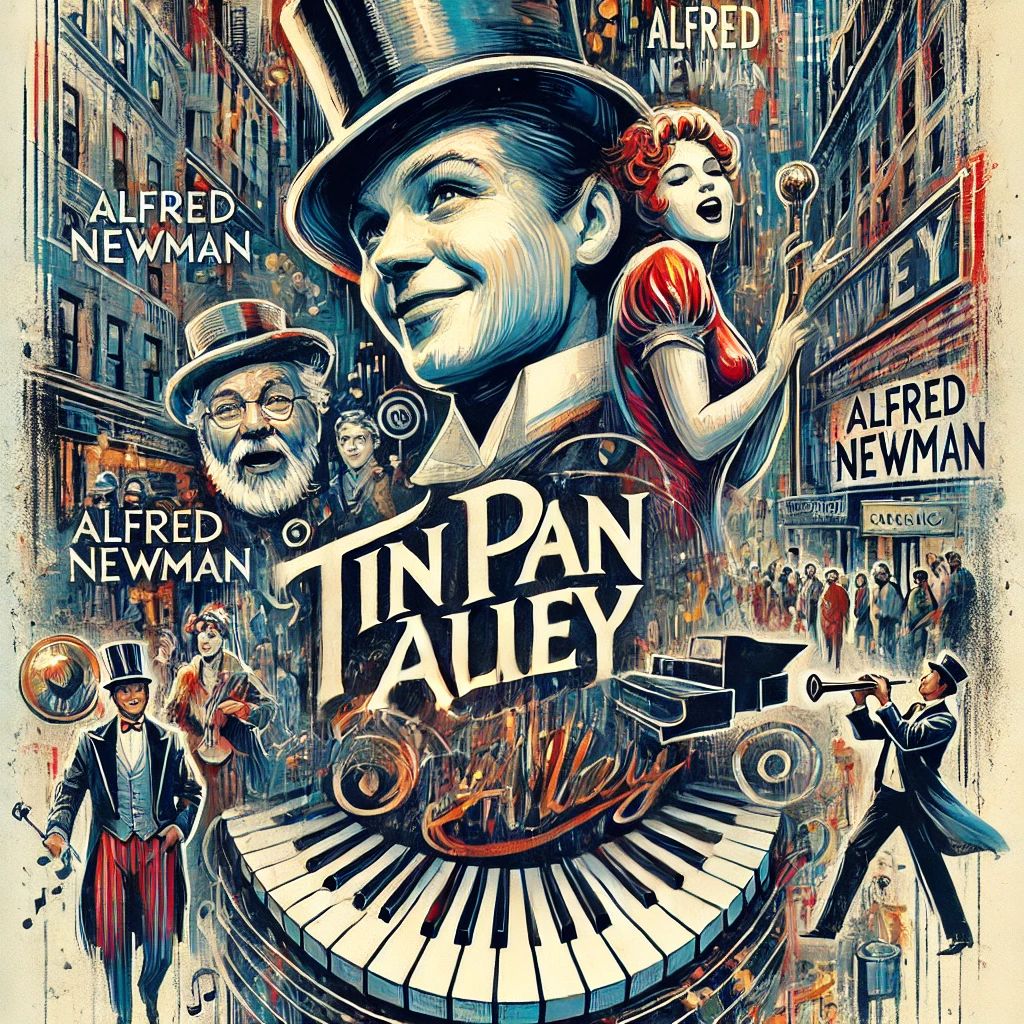
Tin Pan Alley poster art

Tin Pan Alley (1940)

The Story

Two struggling songwriters on New York's Tin Pan Alley team up with a pair of singing sisters in the years before World War I. Romance, rivalry and the war complicate their partnership as they chase hit songs and fame. Alice Faye, Betty Grable, John Payne and Jack Oakie star in this nostalgic Fox musical.

The Music

Newman won an Academy Award for scoring this musical, built on popular songs of the era such as "K-K-K-Katy." His arrangements give familiar tunes new sparkle in lavish production numbers and capture the energy of Tin Pan Alley's song factories at the height of the sheet-music craze.

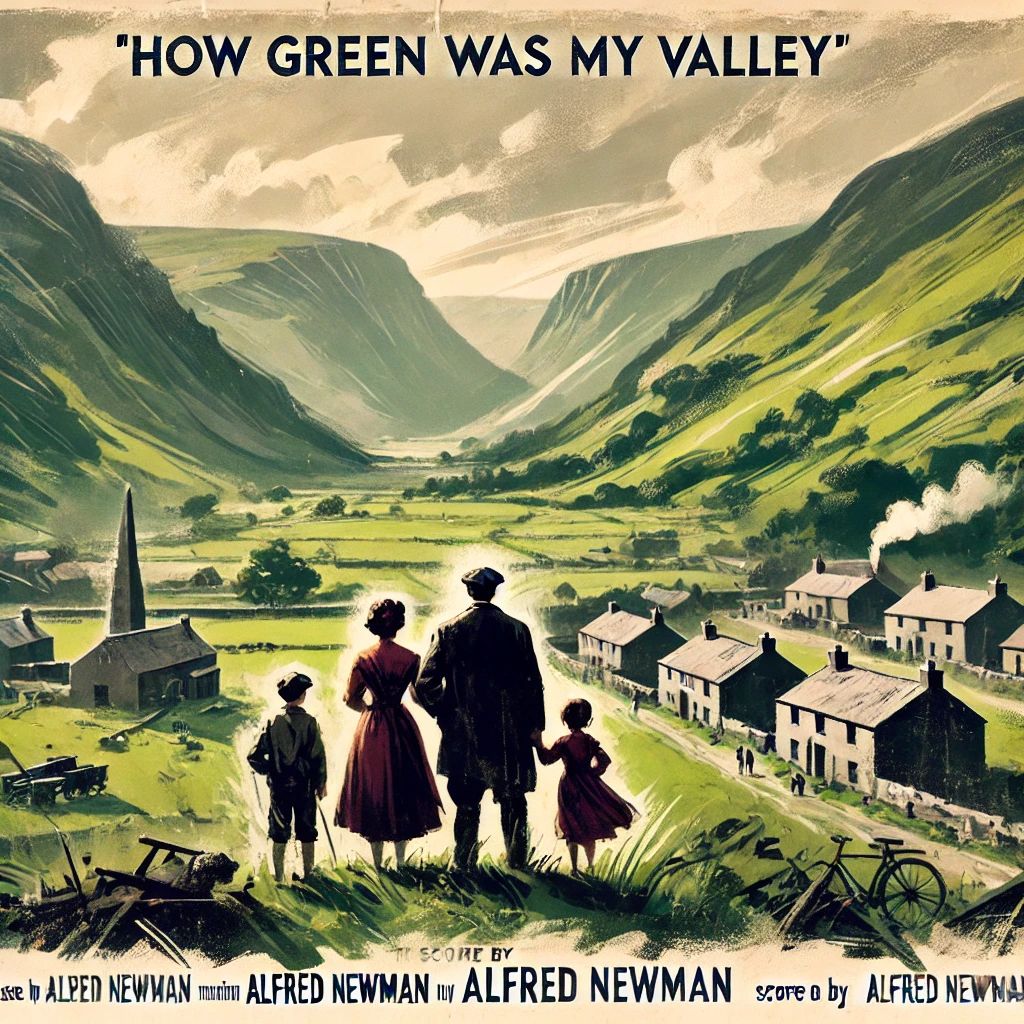
How Green Was My Valley poster art

How Green Was My Valley (1941)

The Story

In a Welsh coal-mining village, young Huw Morgan watches his close-knit family and community change as wages fall, strikes divide the town and the mines take lives. Told as a memory, John Ford's film mourns a lost way of life. It famously won the Academy Award for Best Picture over Citizen Kane.

The Music

Newman's Oscar-nominated score draws on Welsh hymns and folk songs, sung by the miners' voices, which become the soul of the film. The choral music conveys the community's faith and solidarity, and Newman's warm orchestral themes give the story its nostalgic, elegiac quality, as if heard across the distance of memory.

The Song of Bernadette poster art

The Song of Bernadette (1943)

The Story

In 1858 Lourdes, France, a poor peasant girl, Bernadette Soubirous, reports visions of a beautiful lady in a grotto. Doubted and pressured by her family, the Church and civil authorities, she remains steadfast, and a spring said to heal the sick appears. Jennifer Jones won the Academy Award for her performance as Bernadette.

The Music

Newman won the Oscar for this score, one of his most admired. For the visions he wrote shimmering, ethereal music that suggests the divine without overwhelming the image. The score's restraint and reverence let the audience share Bernadette's wonder and simple faith, making the film's quiet moments deeply moving.

Captain from Castile poster art

Captain from Castile (1947)

The Story

In 16th-century Spain, young nobleman Pedro de Vargas flees the Inquisition after his family is persecuted and joins Hernán Cortés's expedition to conquer Mexico. Amid adventure and battle, he seeks justice against his enemy and finds love with a spirited tavern maid. Tyrone Power and Jean Peters star in this Technicolor epic.

The Music

Newman's Oscar-nominated score is one of his most celebrated, especially its blazing "Conquest" march, later adopted by marching bands, most famously at the University of Southern California. Spanish colors, romantic themes and pageantry give the adventure grandeur, and the march captures the ambition and spectacle of the expedition.

With a Song in My Heart poster art

With a Song in My Heart (1952)

The Story

This musical biography tells the story of singer Jane Froman, whose career soared on radio and stage. While flying overseas to entertain troops during World War II, she survives a plane crash that leaves her badly injured, but she fights her way back to performing. Susan Hayward stars, with Froman providing her own singing voice.

The Music

Newman won an Academy Award for scoring this musical. He arranged the many standards Froman made famous, including the title song, and blended them into the drama. Froman's voice, heard through Hayward, carries the film, and the music turns her long recovery into an inspiring story of courage.

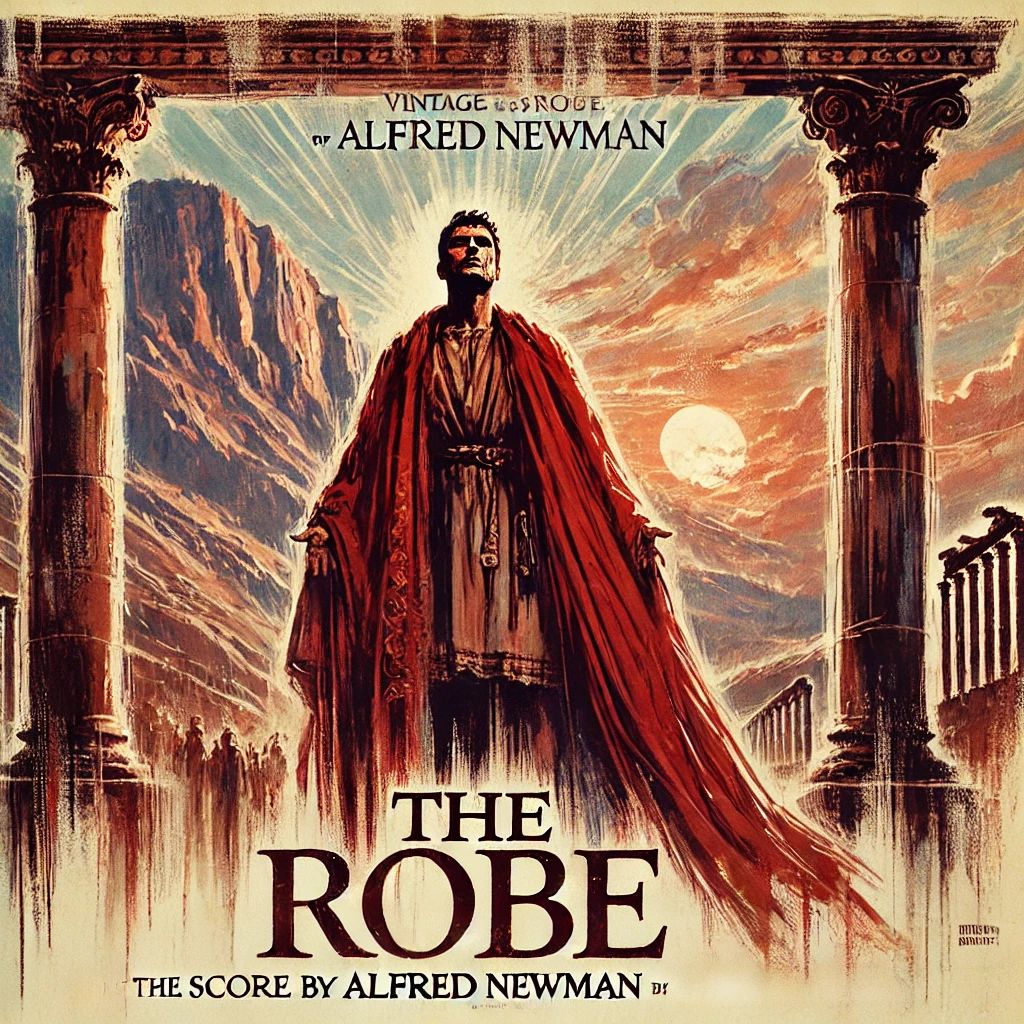
The Robe poster art

The Robe (1953)

The Story

Roman tribune Marcellus Gallio wins Christ's robe in a dice game after overseeing the Crucifixion. Haunted by guilt, he searches for the robe's meaning and comes to faith, risking everything under the cruel emperor Caligula. Richard Burton and Jean Simmons star in the first feature film released in widescreen CinemaScope.

The Music

Newman's score, one of his most powerful, uses a large orchestra and choir to match the new widescreen spectacle. Majestic, reverent themes and a soaring choral finale underline Marcellus's spiritual transformation, giving the religious epic its emotional weight. It remains a favorite among admirers of Golden Age film music.

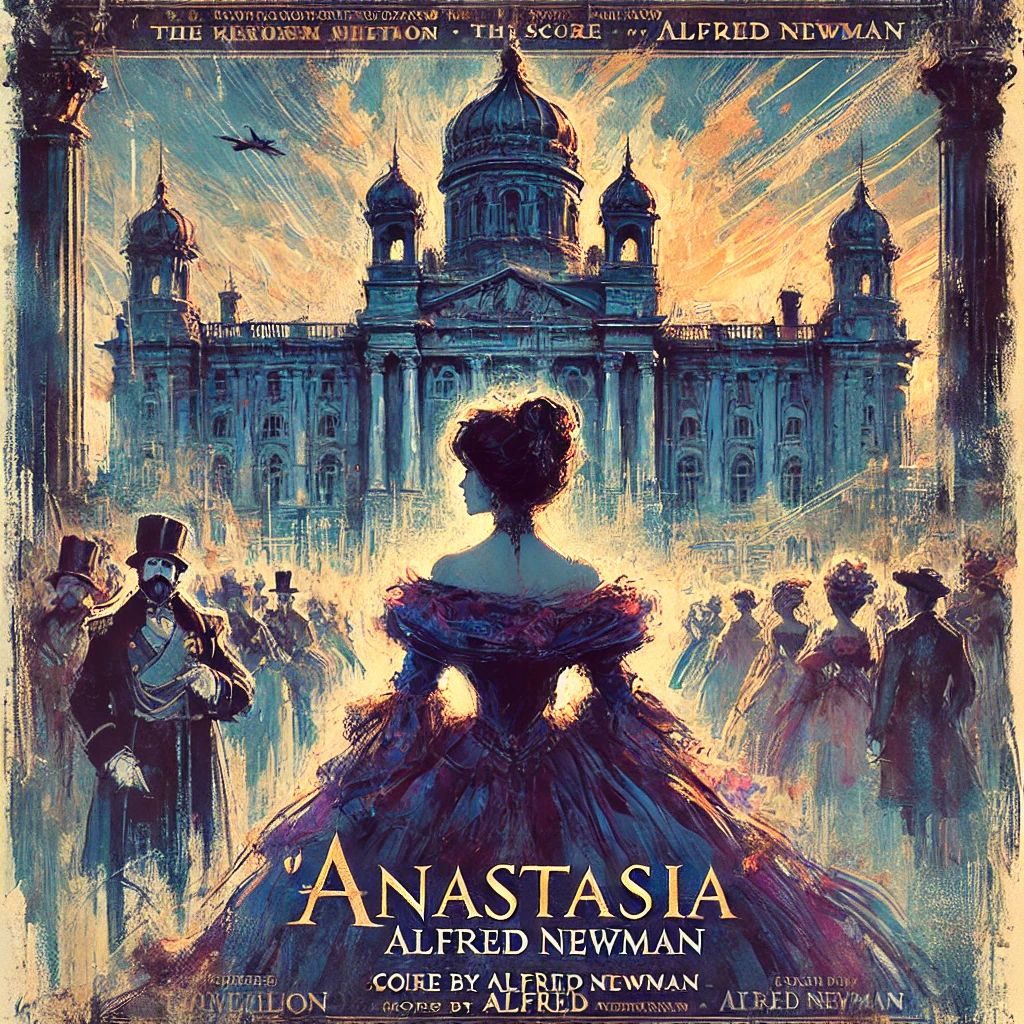
Anastasia poster art

Anastasia (1956)

The Story

In 1928 Paris, a group of schemers find a destitute, amnesiac woman and groom her to pose as Grand Duchess Anastasia, rumored survivor of Russia's murdered royal family, to claim a fortune. As she wins over the exiles, even the Dowager Empress, the question remains: is she really Anastasia? Ingrid Bergman won an Oscar.

The Music

Newman's Oscar-nominated score evokes imperial Russia with lush, aching themes and romantic melancholy. The music heightens the film's mystery and its emotional reunion between the young woman and the Dowager Empress, giving Bergman's character a fragile dignity and making her search for identity deeply personal.

The Diary of Anne Frank poster art

The Diary of Anne Frank (1959)

The Story

During the Nazi occupation of Amsterdam, Jewish teenager Anne Frank, her family and four others hide for two years in cramped rooms above an office. Anne records her hopes, quarrels and dreams in her diary as they live in constant fear of discovery. George Stevens directed this adaptation of the Pulitzer Prize–winning play.

The Music

Newman's Oscar-nominated score is restrained, reflecting the confinement of the hiding place. Gentle themes for Anne's youthful hope contrast with tense music suggesting the danger outside. The music gives voice to the inner lives the characters must keep silent, and it makes the film's final moments deeply poignant.