Home  /  Composers  /  Hugo Riesenfeld
Composer

Hugo Riesenfeld

1879–1939

Pioneer of the silent-film score

Hugo Riesenfeld was born in Vienna in 1879 and trained as a violinist at the Vienna Conservatory. He played in the orchestra of the Vienna Court Opera at the time when Gustav Mahler was its director, an apprenticeship in the highest standards of European music-making. In 1907 he came to New York to serve as concertmaster for Oscar Hammerstein I's Manhattan Opera House, and he later conducted for Broadway.

Riesenfeld's lasting importance lies in the silent era, when every major film was accompanied by live music. As musical director, and later managing director, of New York's great movie palaces, the Rialto, the Rivoli and the Criterion, he led large theater orchestras and championed the idea that a film deserved a carefully prepared score rather than random accompaniment. He assembled and composed scores that combined classical excerpts with original themes, setting a high standard for the industry.

He wrote or compiled music for some of the most important films of the 1920s, including The Covered Wagon (1923) and F. W. Murnau's Sunrise (1927). As synchronized sound arrived he worked for United Artists, providing recorded scores for late silent features such as The Tempest (1928), starring John Barrymore, and Two Lovers (1928), with Ronald Colman and Vilma Bánky. His later work included Murnau's Tabu (1931).

Riesenfeld's career bridged the silent and sound eras, and he did much to establish film music as an art form in its own right. He continued composing for films until his death in Los Angeles in 1939.

THE ART

Music by Hugo Riesenfeld

Art celebrating his film scores. Click any piece to view it larger.

THE FILMS

The Story and the Score

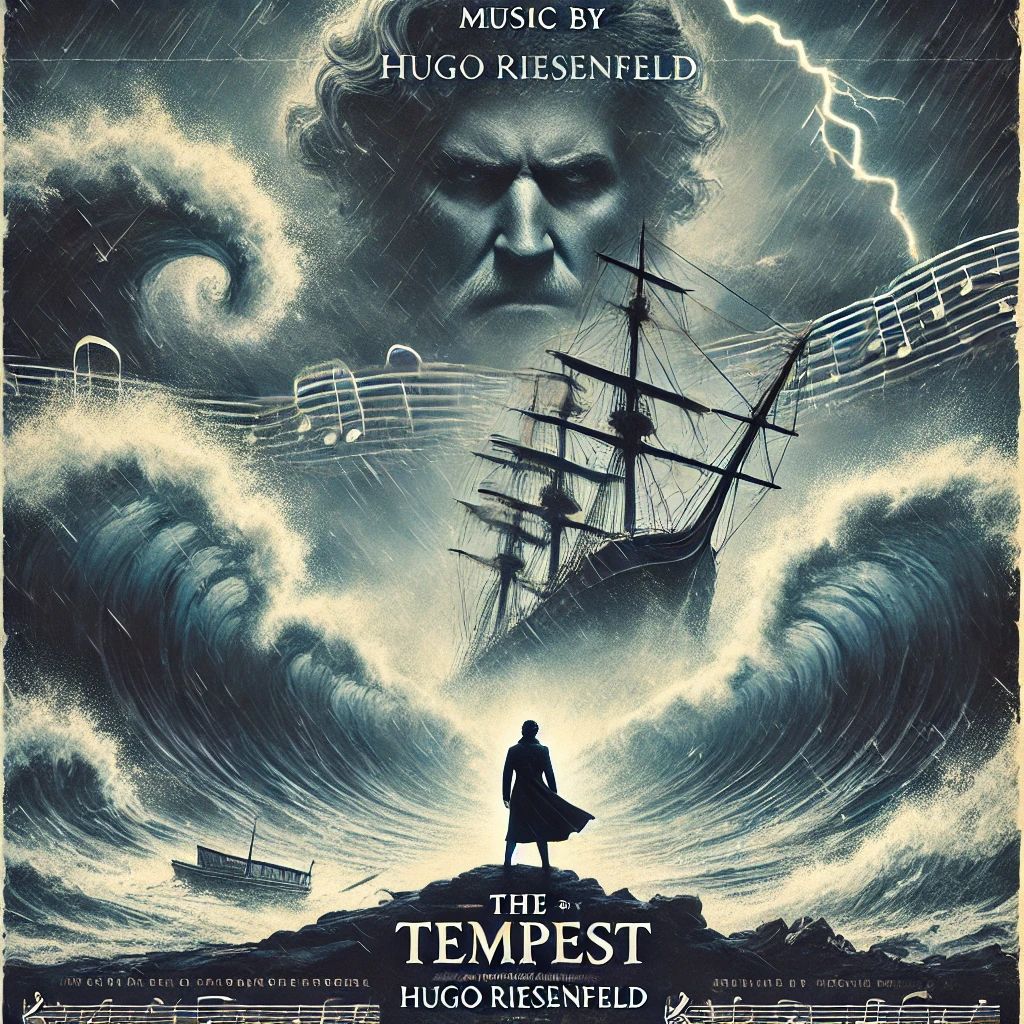
The Tempest poster art

The Tempest (1928)

The Story

In czarist Russia, peasant soldier Ivan Markov rises to the rank of officer and falls in love with a haughty princess who scorns him. When the Revolution comes, their positions are reversed and Ivan must decide her fate. John Barrymore stars in this late silent drama, released with a synchronized music and effects soundtrack.

The Music

Riesenfeld's recorded score let audiences in theaters with new sound equipment hear a full orchestral accompaniment. His music, combining Russian color and romantic themes, carries the story's emotion through the silent action, from the barracks to the turmoil of the Revolution, and helped bridge the silent and sound eras.
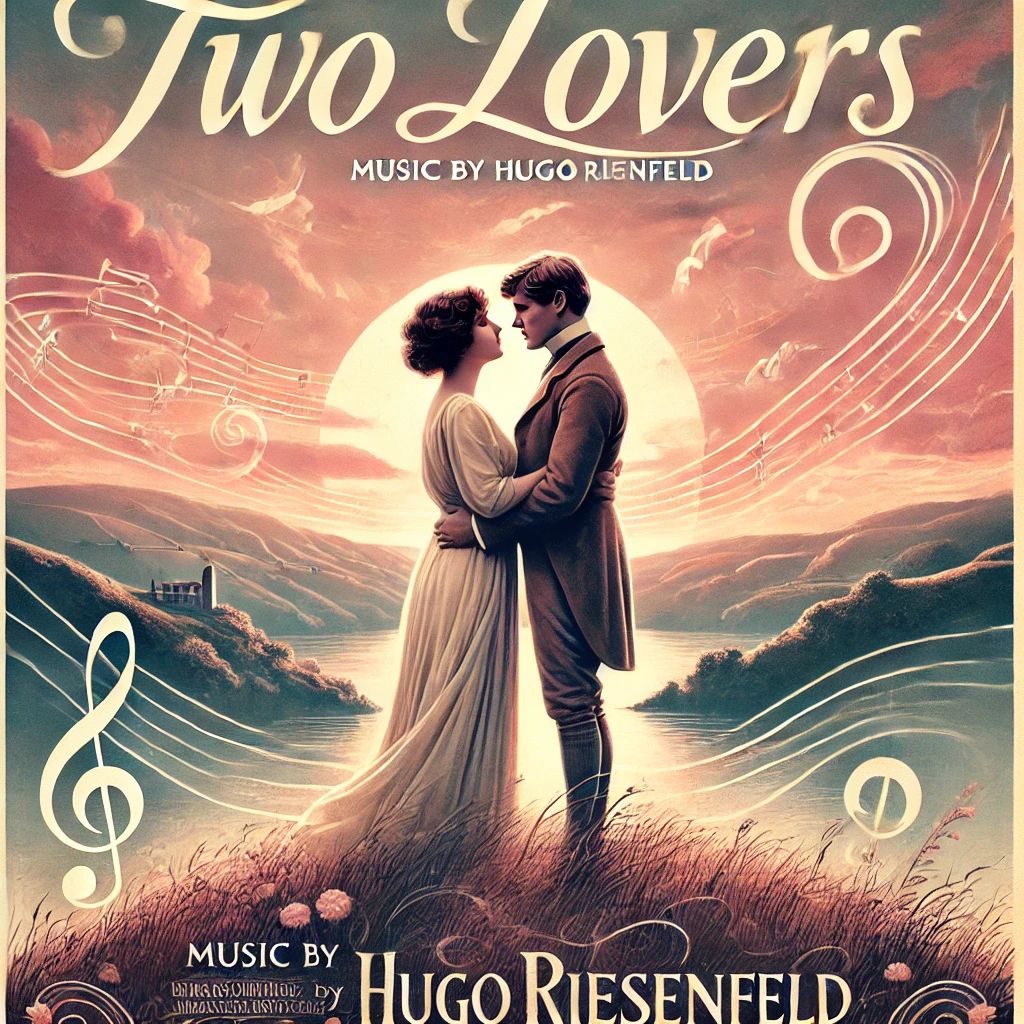
Two Lovers poster art

Two Lovers (1928)

The Story

In 16th-century Flanders under Spanish rule, a noblewoman is forced into a political marriage with a man she believes is a loyal servant of Spain, but he is secretly a leader of the Flemish resistance. Ronald Colman and Vilma Bánky star in Fred Niblo's romantic adventure, their final film together.

The Music

Riesenfeld's synchronized score gave this late silent film a recorded orchestral accompaniment. His sweeping romantic themes and martial music heighten the intrigue and passion, demonstrating how a carefully prepared score could carry a silent drama's emotions just as the sound era was beginning to transform the movies.