Home  /  Composers  /  Elmer Bernstein
Composer

Elmer Bernstein

1922–2004

The Magnificent Seven and To Kill a Mockingbird

Elmer Bernstein was born in New York City in 1922 into a family that encouraged the arts. A talented young pianist, he studied composition with Stefan Wolpe on the recommendation of Aaron Copland. During World War II he arranged and composed music for Armed Forces Radio, which led to radio and then film work. He was no relation to Leonard Bernstein, though the two were friends and were sometimes distinguished as "Bernstein West" and "Bernstein East."

His early Hollywood career was nearly derailed in the 1950s when his name surfaced during the anti-Communist blacklist era, but The Man with the Golden Arm (1955) changed everything. Its pounding, jazz-driven score was unlike anything audiences had heard, and it made him one of the most in-demand composers in town. A year later he wrote the majestic music for Cecil B. DeMille's The Ten Commandments.

Bernstein's range was extraordinary. The Magnificent Seven (1960) gave the Western one of its most exhilarating themes. To Kill a Mockingbird (1962) is a model of tenderness, seen through a child's eyes, and The Great Escape (1963) produced a jaunty march that is still whistled today. He won an Academy Award for Thoroughly Modern Millie and earned more than a dozen nominations.

In later decades he reinvented himself with comedies such as Animal House, Airplane! and Ghostbusters, then returned to lyrical drama with Martin Scorsese's The Age of Innocence and Todd Haynes's Far from Heaven. Bernstein, who scored more than 150 films, died in California in 2004.

THE ART

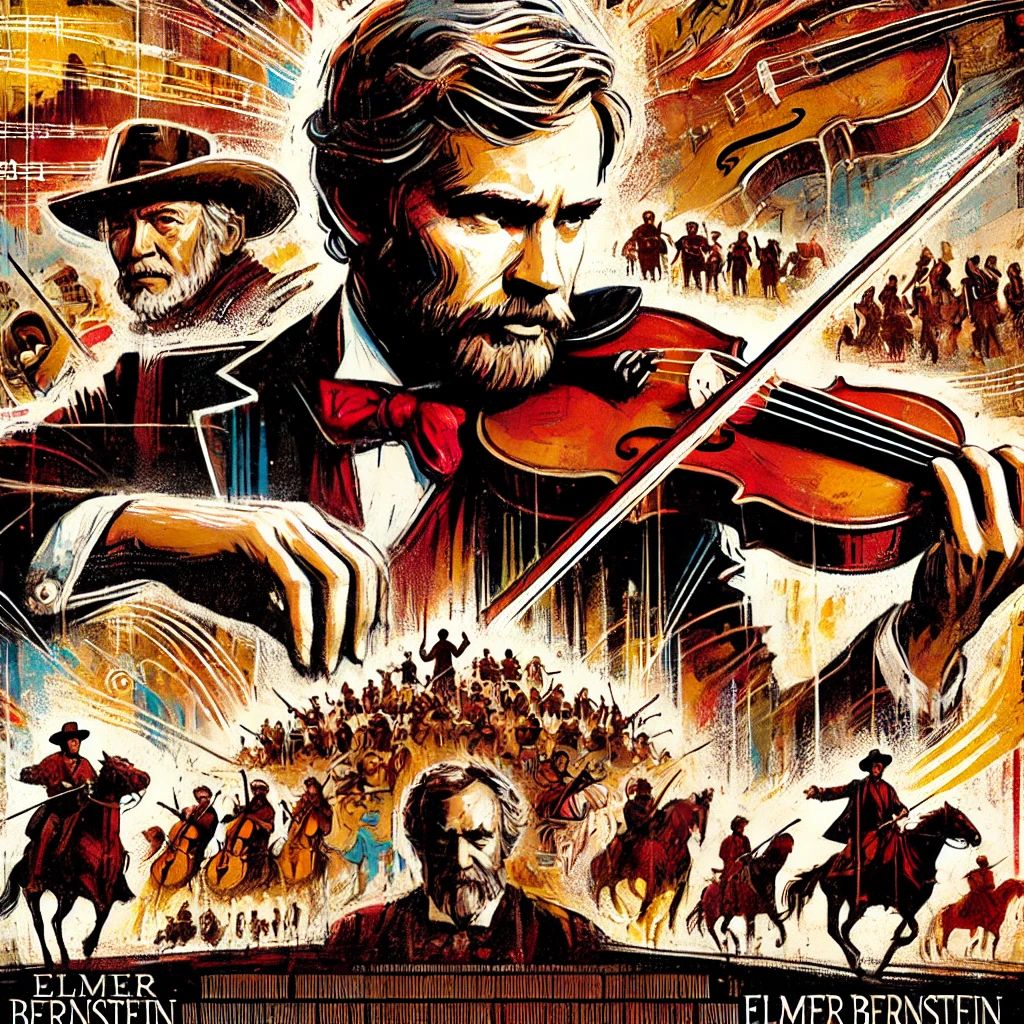
Music by Elmer Bernstein

Art celebrating his film scores. Click any piece to view it larger.

THE FILMS

The Story and the Score

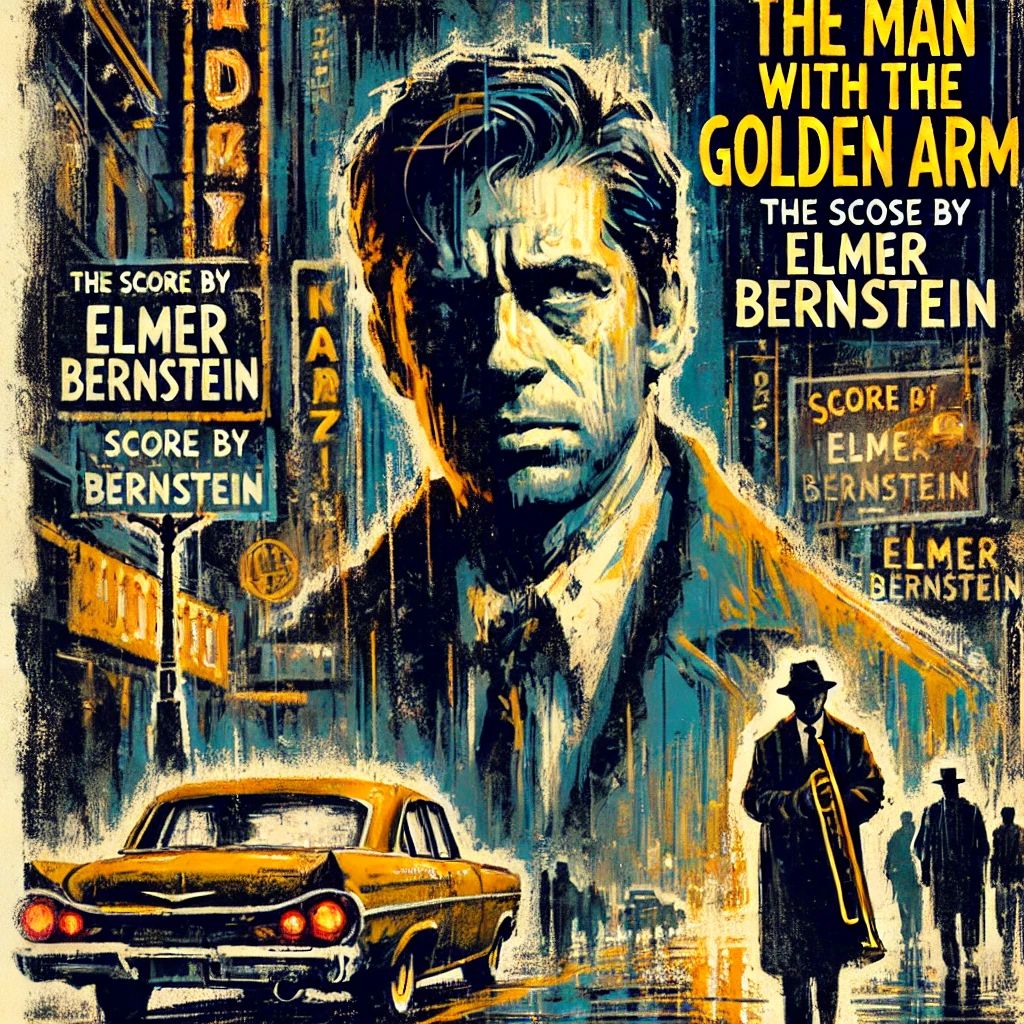
The Man with the Golden Arm poster art

The Man with the Golden Arm (1955)

The Story

Frankie Machine, a card dealer who dreams of becoming a jazz drummer, returns to Chicago after kicking his heroin habit in prison. Back home, pressure from his manipulative wife and the dealer who once supplied him pulls him back toward drugs. Frank Sinatra stars in Otto Preminger's groundbreaking drama.

The Music

Bernstein's Oscar-nominated score made jazz the voice of addiction. Pounding drums and blaring brass represent Frankie's craving, and the music drives Saul Bass's famous title sequence. A hit record, it was one of the first Hollywood scores to place jazz at the center of a serious drama.
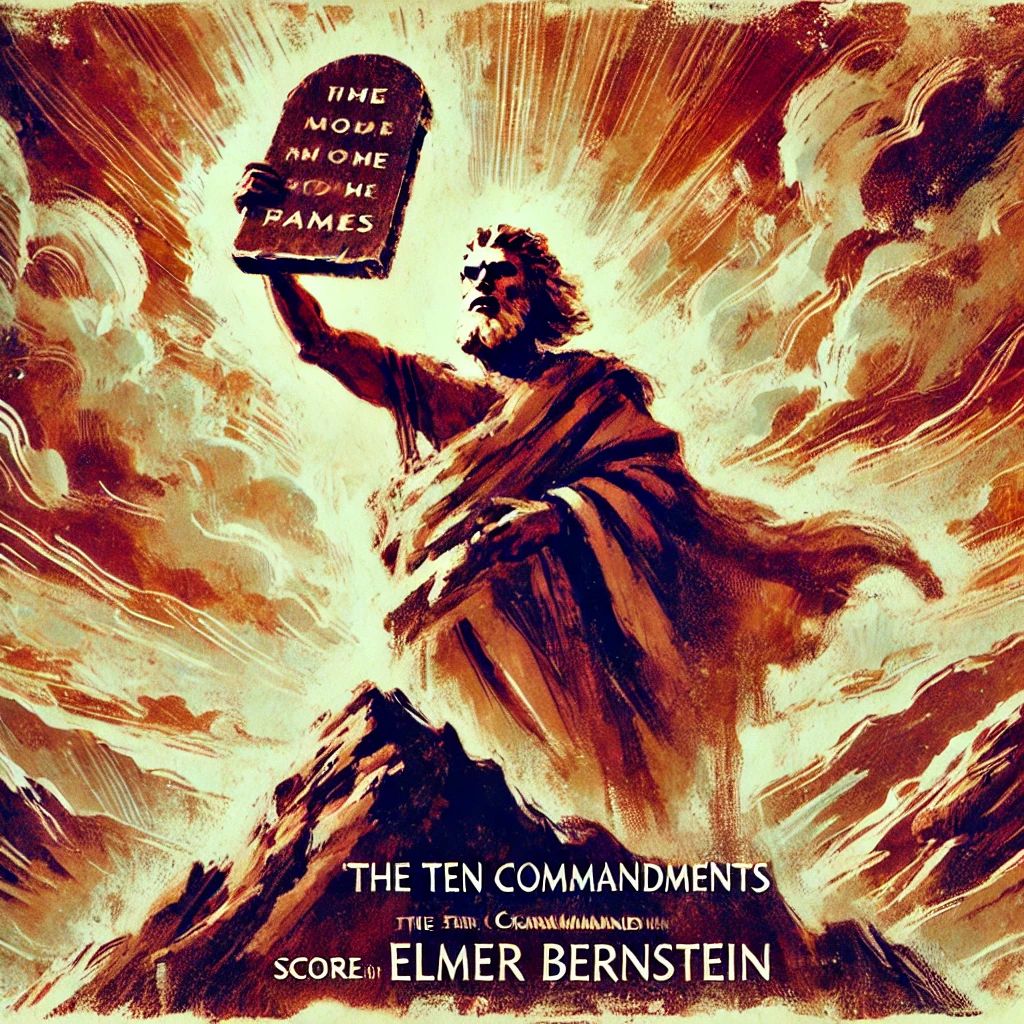
The Ten Commandments poster art

The Ten Commandments (1956)

The Story

Raised as an Egyptian prince, Moses learns he was born a Hebrew slave and is exiled into the desert. Called by God from a burning bush, he returns to lead his people out of Egypt, parting the Red Sea and receiving the Ten Commandments. Charlton Heston and Yul Brynner star in Cecil B. DeMille's epic.

The Music

Bernstein's score gives DeMille's epic its majesty. Noble themes for Moses, exotic music for the Egyptian court and powerful passages for the Exodus and the parting of the Red Sea heighten the spectacle. The score was Bernstein's breakthrough into epic filmmaking and remains a favorite among film music fans.

The Magnificent Seven poster art

The Magnificent Seven (1960)

The Story

A Mexican village terrorized by bandits hires seven American gunfighters to defend it. Though outnumbered and offered little pay, they train the villagers and fight to protect them. Yul Brynner, Steve McQueen and Charles Bronson star in John Sturges's Western, a remake of Akira Kurosawa's Seven Samurai.

The Music

Bernstein's Oscar-nominated score has one of the most exhilarating Western themes ever written. Its galloping rhythm and soaring melody capture the heroes' courage, Mexican colors add warmth, and its energy drives the action. Its main theme later reached an even wider audience through Marlboro cigarette commercials and is still instantly recognized today.

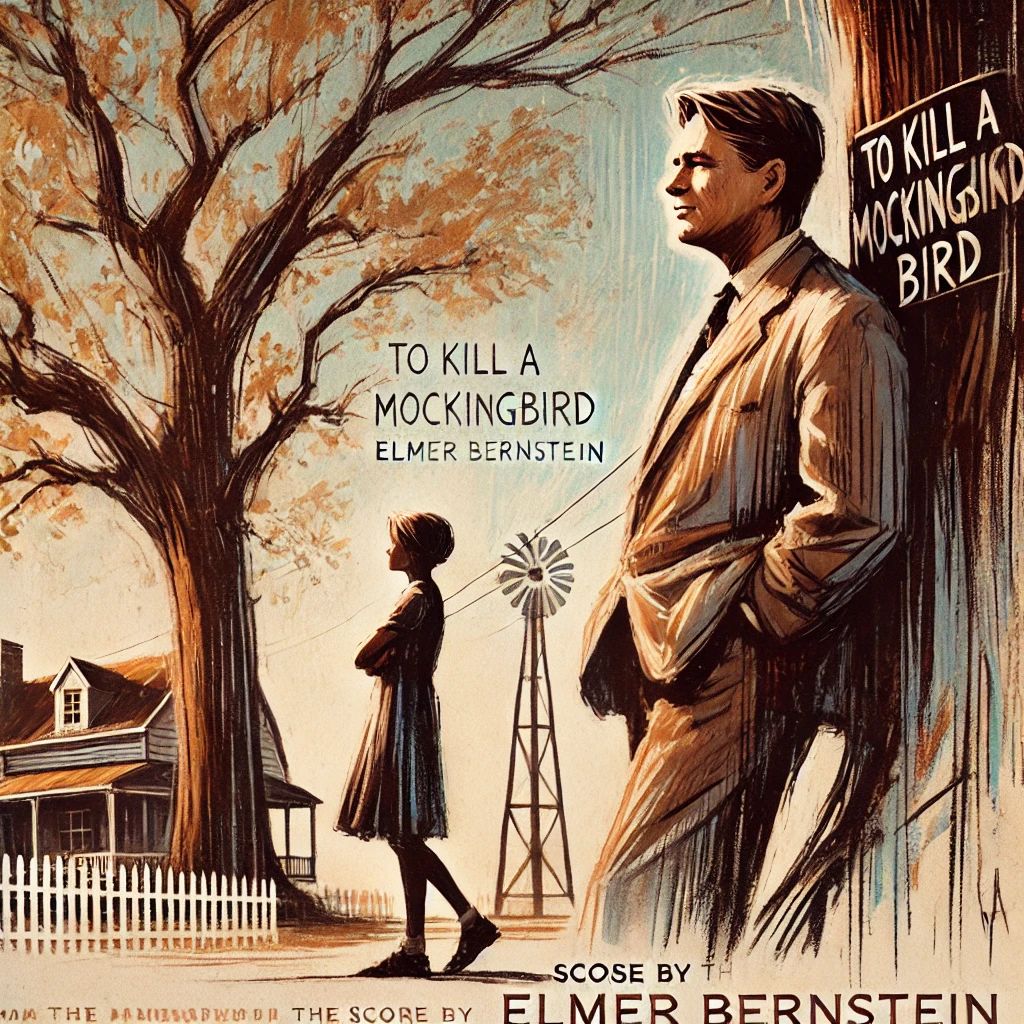
To Kill a Mockingbird poster art

To Kill a Mockingbird (1962)

The Story

In 1930s Alabama, lawyer Atticus Finch defends a Black man falsely accused of rape, while his children, Scout and Jem, learn about prejudice, courage and their reclusive neighbor Boo Radley. Gregory Peck won an Oscar as Atticus in this adaptation of Harper Lee's Pulitzer Prize–winning novel.

The Music

Bernstein's Oscar-nominated score sees the world through Scout's eyes. Its gentle main theme, introduced on piano, evokes childhood innocence and discovery, while darker passages convey the danger lurking in the town. The score's restraint and warmth give the film much of its emotional power and make it one of the most beloved American film scores.

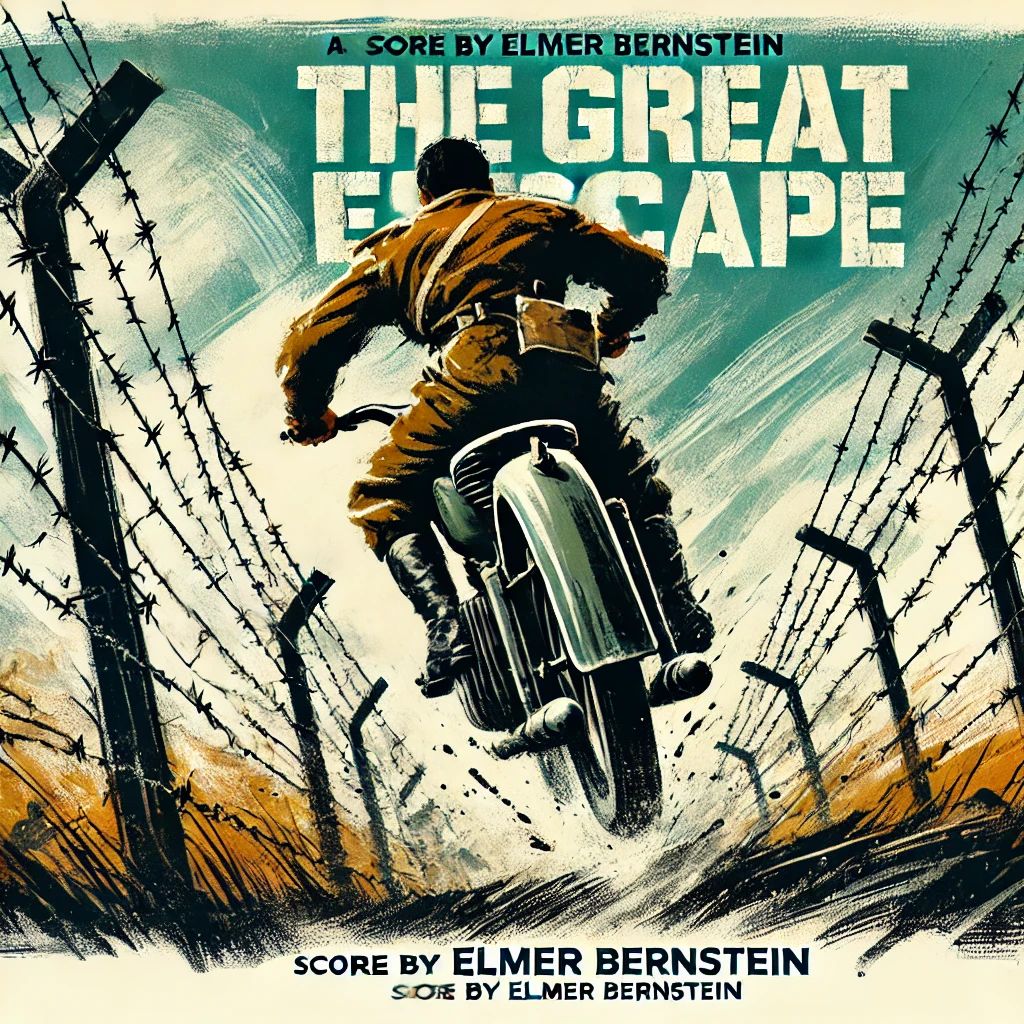
The Great Escape poster art

The Great Escape (1963)

The Story

Allied prisoners of war in a German camp, many of them escape specialists, plan a massive breakout through hidden tunnels. Despite setbacks, 76 men escape, but most are recaptured. Steve McQueen, James Garner and Richard Attenborough star in John Sturges's film, based on a true World War II story.

The Music

Bernstein's jaunty march captures the prisoners' defiance and humor, and its whistleable melody became famous. The music turns tense during the breakout and somber as the escapees are hunted down. The march has since become a favorite of British sports fans and one of the most recognizable themes in film.